


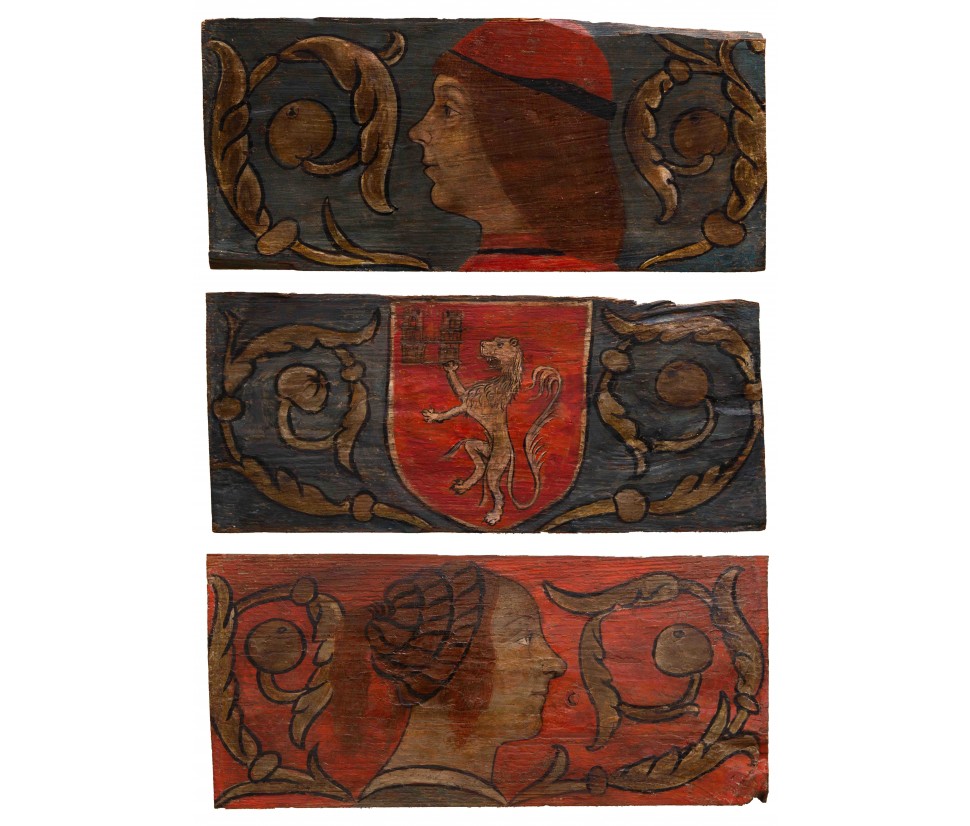
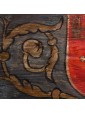
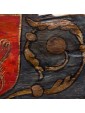
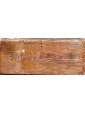
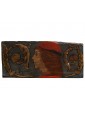
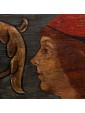
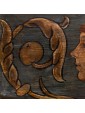
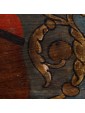
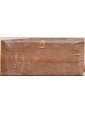
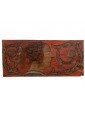
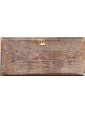
Panels with the coat of arms of Sormani
(3) Tempera on table, cm 17 x 38
Lombardy, 14th century
Panels with the coat of arms of Sormani
(3) Tempera on table, cm 17 x 38
Lombardy, 14th century
Lombardy, 14th century
Panels with coat of arms of the Sormani family and portraits
(3) Tempera on table, cm 17 x 38
Between the fifteenth and sixteenth century, especially in Lombardy and Piedmont, in mansions and public buildings it became customary to decorate ceilings with wooden panels painted: the 'ceiling tablets' or 'formals'. The birth and spread of the use of painted tablets in architecture is already referred to the Middle Ages in Europe and in Italy in Alto Adige and Trentino, essentially in castles and stately homes. The ceilings of the large halls were made of wood, made with long beams that ran along them in the direction of the width, infused into the wall with a bearing function and equipped with shelves to relieve the weight. Small wooden joists at regular distances between beam and beam, completed the structure of the ceilings, giving rise to square or rectangular geometric frames. The space created by the meeting between the main beam and the beams perpendicular to it, will be used to insert the tablets, as a decorative element.
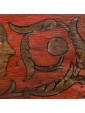
The painted tablets, mainly made in tempera with a lively chromatic range, represent a fundamental testimony of the artistic and cultural expressions that flourished in northern Italy, particularly in Lombardy and Piedmont, between the fourteenth and fifteenth centuries. This period, between the Gothic era and Humanism, was characterized by a strong predilection for color, which extended to the decoration of every domestic surface, transforming the interiors into real narrative spaces. The panels, therefore, were not simple decorative elements, but real and proper "repertoires of civilization", able to immortalize celebrations and scenes of daily life. Unlike other contemporary pictorial productions, the local painting on tablet, with rare exceptions, is distinguished by its predominantly secular character. The iconographic analysis reveals some dominant subjects and ideas that permeated the culture of the time. Family prestige emerges as a central theme, expressed through the representation of coats of arms of families united by complex matrimonial and political alliances. The literary culture, both ancient and contemporary, found space in depictions, as well as dreams and visions of the collective imaginary.Frequently appear figures of ladies and gentlemen, immersed in contexts that exalt their social status. Dancing, musical and playful puppies wind through festoons, flanked by a varied bestiary, which includes both real animals and fantastic creatures.
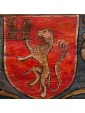
The widespread presence of heraldic arms is another characteristic element of these works. The noble families were immortalized on these precious wooden pages, leaving an indelible trace of their presence and power. And in fact, in the tablets under consideration makes their appearance the coat of arms of one of the oldest and richest families of Milan: the Sormani family, as well can be seen from the figure of the rampant lion holding a tower castle in his hands. Ancient Milanese patrician family, originally from Sormano, an alpine village in the mountains of Vallassina. The first historical news date back to Ottone De Solmanno, by Anselmo, partisan of Federico Barbarossa in the fight against Milan. The Sormani held important public offices, such as that of decurione, and tied themselves to other noble houses in Milan, contributing significantly to the history and culture of the city.Their name is particularly linked to the figure of Giacomo Sormani, who in the eighteenth century commissioned the renovation of Palazzo Sormani in Milan, now home to the Biblioteca Comunale Centrale, one of the most important examples of neoclassical architecture in Lombardy.The family, over the centuries, boasted among its members jurists, literati and men of arms, consolidating its prestige. Even today, their name is remembered in several places and institutions, testimony of their lasting impact on the city of Milan and Lombardy.
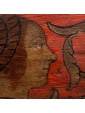
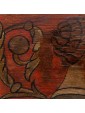
The remaining two forms present two portraits of woman and young man, according to the fashion of the time treated in profile, influenced by numismatics and classical portraiture.
With Ars Antiqua it is possible to defer all amounts up to a maximum of € 7,500 at ZERO RATE, for a total of 15 INSTALLMENTS.
Ex. Tot. € 4.500 = Monthly instalment € 300 for 15 months.
Ex. Tot. € 3.600 = Monthly instalment € 720 for 5 months.
For amounts over € 7,500 or for a longer delay in time (more than 15 installments), we can provide a personalized payment.
Contact us directly to get the best quote.
LIVE TV
- SUNDAY 17.00 - 21.00 Dig.terr. 126 - Sky 824
- Streaming on our website www.arsantiquasrl.com and on our social networks Facebook and Youtube
All the works proposed by Ars Antiqua are sold with a certificate of authenticity in accordance with the law and a detailed information sheet.
You can see the works directly at the gallery showroom in Milan, in via Pisacane 55 and 57.
We personally organize transport and delivery of works, both for Italy and abroad.
