



Bust of Christ
Marble, 22 x 18 x 10 cm
XVI century
Bust of Christ
Marble, 22 x 18 x 10 cm
XVI century
XVI century
Bust of Christ
Marble, 22 x 18 x 10 cm
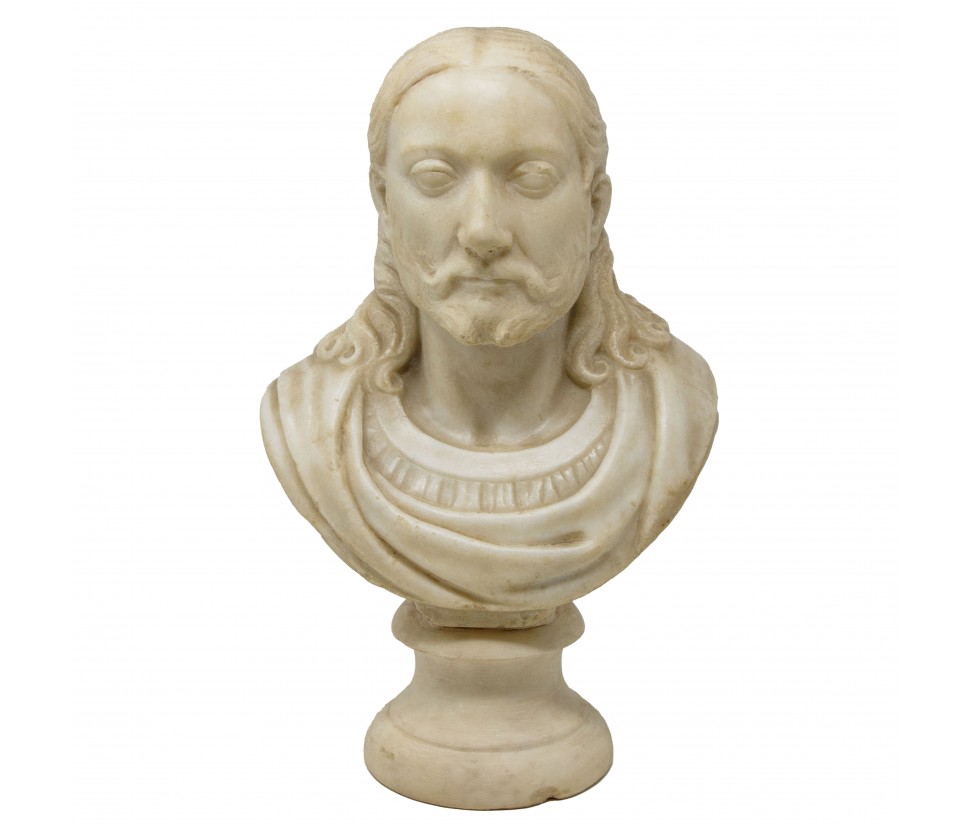
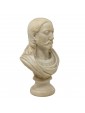
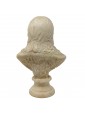
The sculpture in question, made of marble and referring to the sixteenth century, depicts the bust of Christ, resting on a square base with impalpable veins of marble.
The Sixteenth Century Renaissance was a period of extraordinary artistic flourishing in Europe, especially in the field of religious sculpture, which became a fulcrum to all intents and purposes. The sculptors of this century, deeply influenced by the renewed humanist ideals and the rediscovery of the classics, gave life to works of extraordinary beauty and complexity, which reflected the cultural and religious transformations of the time. Among the most widely used materials, marble in particular, with its brightness and its ability to be worked in a very fine way, was suitable for being the favorite for the representation of sacred figures, so that the same Michelangelo and Donatello (in the fifteenth century) made extensive use of it.
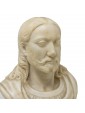
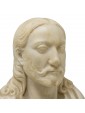
In the marble exposed here, the face of Christ represents the pivot around which the whole work revolves. From an iconographic point of view, in fact, this type of representation that focused on the facial features and bust, became over time an icon of Christian devotion, present in numerous churches and chapels around the world, but also intended for domestic prayer, more intimate.
The artist has tried to transmit through the chisel a range of emotions that are concentrated in the look, severe and impassive, but at the same time serene, almost as if Christ was already aware of his destiny of Resurrection and Salvation. Every detail is full of meaning: the beard, for example, is often associated with divine wisdom, conferring an aura of authority and majesty, emphasizing its role as king and judge. It also connects him to the figures of the prophets of the Old Testament, thus underlining the continuity between the Old and New Testaments
